How Integrated Billing and Inventory Management Helps Growing Businesses
Wiki Article
Modern Business Management Starts With Connected Tools
Managing a business involves much more than selling products or services. Business owners and their teams often need to create invoices, record purchases, monitor inventory, track payments, maintain accounting information, prepare reports, and communicate with customers. When these activities are handled through disconnected systems, everyday operations can become unnecessarily complicated. An integrated business management platform can bring these functions together and provide a more organized way to manage routine work.
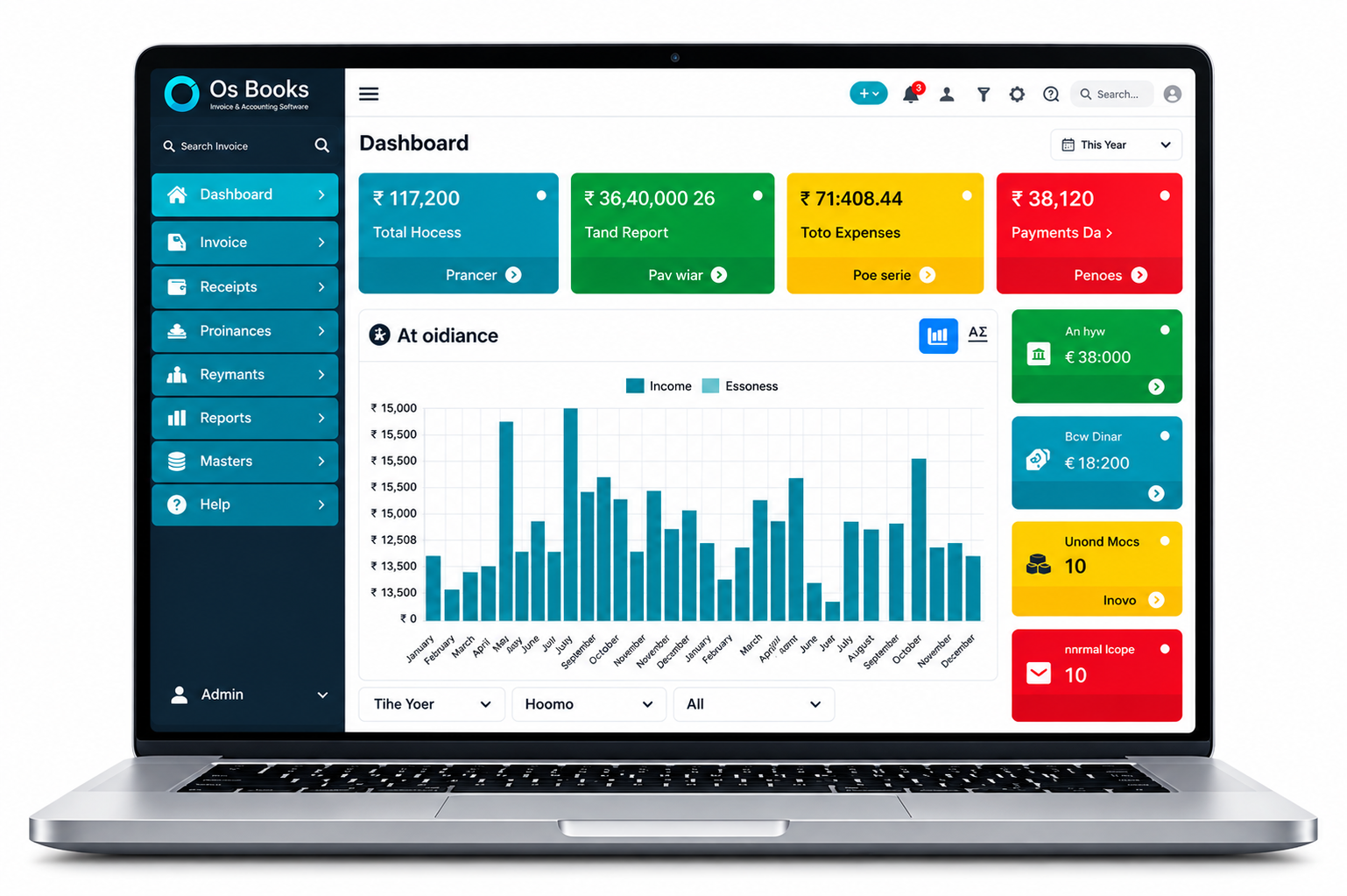
OS-BOOKS from OS SOFT INDIA is positioned as an all-in-one platform for billing, inventory, GST, accounting, reporting, and multi-branch management. The platform also includes tools such as bill uploads from photographs and PDF files, Tally import and export, WhatsApp billing and reminders, and access through mobile and desktop devices. For businesses looking for a centralized approach to their operational processes, these capabilities can provide a practical framework for managing information in one place.
Why Integrated Billing Matters for Businesses
Billing is one of the most frequent activities in many businesses. Every sales transaction can require accurate product information, customer details, quantities, prices, taxes, and payment information. If billing is handled manually or through disconnected applications, employees may need to enter the same information multiple times. This can consume time and make routine administration more difficult.
Faster Everyday Billing Workflows
A dedicated billing system can make invoice creation more structured. Instead of maintaining separate records for sales and customer communication, businesses can use an integrated platform to manage billing-related activities more efficiently. OS-BOOKS also provides WhatsApp bill functionality, allowing businesses to send bills directly through WhatsApp. This can make digital communication a natural part of the billing process.
Better Access to Business Information
When billing, inventory, and accounting information are connected, business owners can work with a more consistent set of records. This can be particularly useful when a business handles a large number of transactions. Rather than searching through different files or applications, users can access relevant information through a centralized business management system.
Inventory Management as a Core Business Function
Inventory directly affects purchasing, sales, customer service, and financial planning. Businesses need to understand what products are being purchased, what has been sold, and what information is available for operational decisions. A dedicated inventory management solution can help organize these records and make inventory-related activities easier to follow.
For businesses dealing with physical products, an integrated inventory system can be useful because sales and purchasing activities are closely connected to stock information. When these functions are managed together, employees can work from a common operational system instead of maintaining separate records for each activity.
Useful Inventory Management Capabilities
- Centralized inventory information
- Integration between billing and stock-related workflows
- Purchase entry support
- Business reporting capabilities
- Access from mobile and desktop devices
- Support for multi-branch business operations
Using Bill Uploads to Reduce Manual Data Entry
One practical feature highlighted by OS-BOOKS is the ability to create purchase entries from photographs and PDF files. Businesses frequently receive invoices and receipts in different formats. Entering information from every document manually can take additional effort, particularly when purchase documentation is handled regularly.
Uploading bills from photos or PDFs can provide a more convenient way to bring purchase information into the business management workflow. The exact usefulness of this feature depends on the quality and format of the source document, but the overall concept is straightforward: reduce repetitive data entry and make document-based information easier to process.
Connecting Existing Tally Data With a New System
Businesses that have already used accounting software may have years of operational information stored in existing systems. Moving to another platform can therefore raise questions about data migration and continuity. OS-BOOKS provides Tally import and export functionality, which is designed to support data movement between the systems.
Why Data Transfer Can Be Important
Businesses should not have to treat existing records as disposable simply because they are adopting a different management platform. Import and export functionality can help organizations approach software migration in a more structured way. It can also support synchronization workflows where appropriate, depending on the business's requirements and the available data formats.
WhatsApp Communication for Customer Follow-Up
Customer communication is another important part of business operations. Sending invoices and payment reminders through WhatsApp can make communication more direct for businesses and customers who already use the platform regularly. OS-BOOKS includes WhatsApp bill and reminder functionality as part of its business management features.
A digital reminder workflow can also make payment follow-up more organized. Instead of relying entirely on manual messages, businesses can incorporate billing communication into their broader operational process. Businesses should still maintain appropriate customer communication practices and use messaging responsibly.
Mobile and Desktop Access for Flexible Operations
Business activities do not always happen at a desk. Owners may need to review information while traveling, while employees may need access from different locations. OS-BOOKS is designed for mobile and desktop access, giving businesses flexibility in how they interact with their management software.
Supporting Different Business Roles
A business management platform can serve different users with different responsibilities. A business owner may be interested in reports and overall performance information, while an employee may focus on billing or purchase entries. A sales team may need customer and transaction information. Centralized software can help bring these operational needs into one broader system.
Multi-Branch Management for Growing Organizations
Managing multiple branches introduces additional operational complexity. Businesses need to organize information across locations while maintaining appropriate oversight. Multi-branch management features can help businesses structure their operations around different locations instead of treating every branch as an entirely separate operation.
Integrated reporting can also be useful when owners need to review business information across locations. The quality of the resulting decisions will depend on the accuracy of the underlying data and how the organization configures its workflows, but having a centralized system can provide a practical foundation for coordinated management.
Business Reporting and Better Operational Visibility
Reports can transform transaction records into information that is easier to review. Business owners may need to examine sales activity, purchasing information, inventory-related records, or accounting data. An integrated platform can reduce the need to collect this information manually from different sources.
Areas Businesses Can Organize More Effectively
- Sales and billing records
- Purchase information
- Inventory-related data
- Accounting records
- Customer payment follow-ups
- Branch-level business information
Supporting Partners and Business Consultants
OS SOFT INDIA also presents OS-BOOKS as a platform for hardware and software vendors, system integrators, and business consultants. Its partnership model includes sales or referral commissions, product training, marketing resources, implementation support, customer support, and partner assistance. These offerings are relevant to businesses and professionals who provide technology solutions to their own customer base.
For technology partners, having access to training and marketing resources can make it easier to understand the product and explain its capabilities to prospective customers. Partners can focus on customer acquisition and sales while the software provider handles areas such as setup, implementation, and support according to the company's stated partnership structure.
Choosing Business Management Software Carefully
Businesses should evaluate software based on their actual workflows rather than selecting a platform simply because it has a long feature list. Important considerations can include billing requirements, inventory processes, accounting needs, GST workflows, branch management, reporting, data migration, device accessibility, and customer communication.
It is also useful to consider how easily employees can learn the system. Software only creates operational value when users can apply it consistently. Businesses should therefore examine the interface, training options, support process, and migration requirements before making a decision.
Conclusion
Integrated business management software can bring billing, inventory, accounting, GST-related workflows, reporting, customer communication, and branch operations into a more coordinated environment. OS-BOOKS from Multi Store Accounting software OS SOFT INDIA combines these functions with features such as bill uploads, Tally import and export, WhatsApp billing Click Here and reminders, and mobile and desktop access.
For businesses seeking to organize routine operations through a centralized platform, an all-in-one approach can reduce the need to manage multiple disconnected systems. The right solution ultimately depends on the business model, operational requirements, existing records, and user needs. Businesses evaluating billing and inventory software can consider how the available features align with their current processes and future operational plans.
 Report this wiki page